
Why Rubber Flooring is Ideal for Dance Studios and Performance Spaces
Posted on September 2026 || Last Updated on September 2026 || Author: Ann
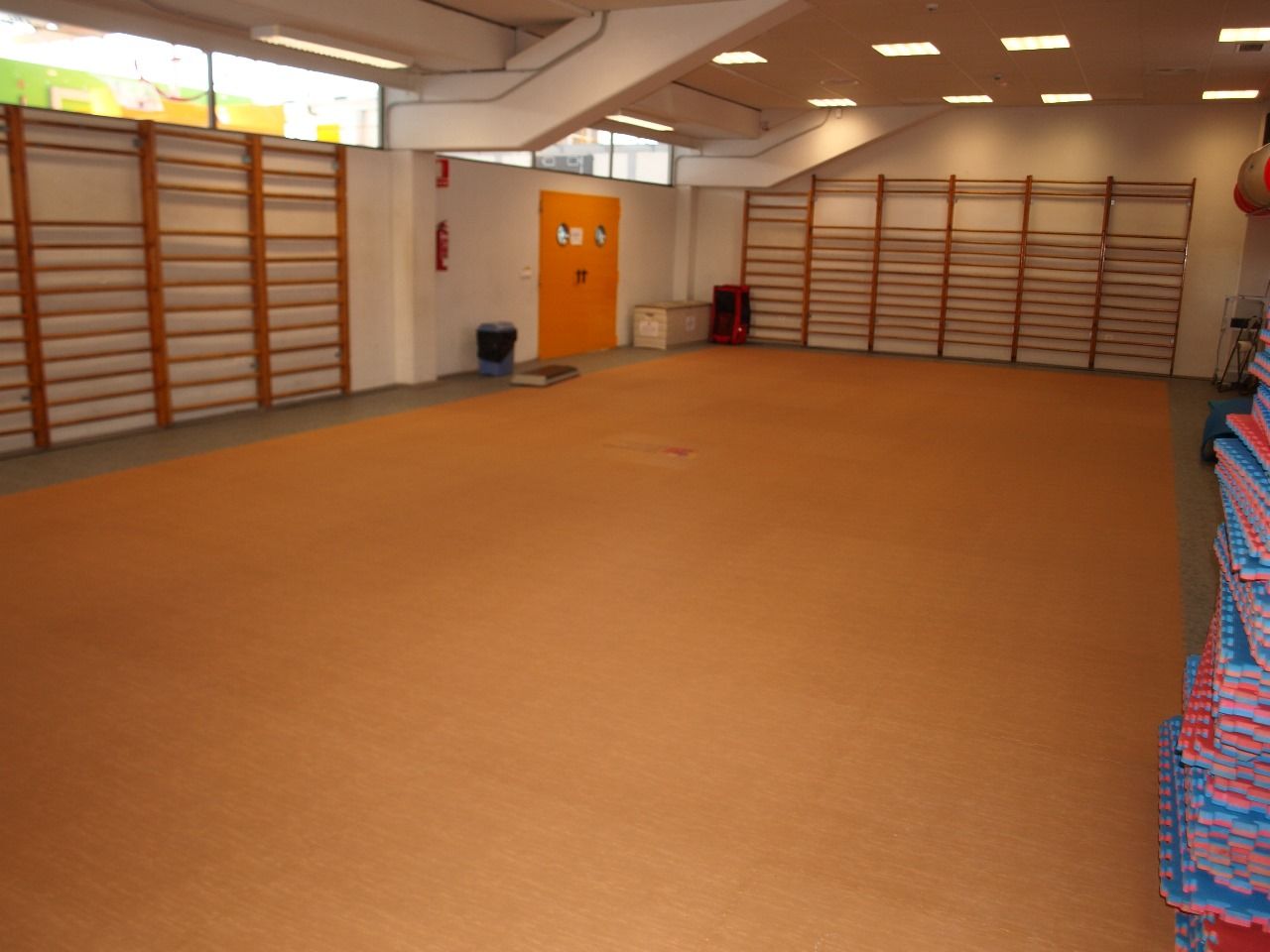
Creating the perfect dance environment goes far beyond mirrors and lighting the foundation of every great performance starts with the right flooring. Whether it’s a professional dance academy, a fitness studio, or a performance venue, selecting the right surface directly impacts safety, performance quality, and long-term durability.
Among the many options available today, dance rubber flooring stands out as one of the most reliable and high-performing solutions. But what makes it so effective? And what is the best floor to dance on in modern studios?
Let’s explore why rubber flooring for dance flooring is becoming the preferred choice for studios and performance spaces across the UAE and beyond.
What is the Best Floor to Dance On?
The ideal dance floor should provide a balance of comfort, grip, shock absorption, and durability. Traditional materials like hardwood and vinyl have long been used, but they often fall short in high-impact or multi-purpose environments.
Today, professionals are increasingly choosing rubber dance floor tiles because they offer:
- Superior shock absorption
- Anti-slip safety
- Long-lasting durability
- Easy maintenance
This combination makes rubber a practical and performance-driven solution for both dancers and studio owners.
Key Benefits of Dance Rubber Flooring
1. Shock Absorption for Injury Prevention
Dance involves repetitive movements, jumps, and high-impact routines. Poor flooring can lead to joint stress and long-term injuries.
Dance rubber flooring is designed to absorb impact effectively, reducing strain on knees, ankles, and the lower back. This makes it especially beneficial for:
- Ballet and contemporary dance
- Zumba and aerobics
- Hip-hop and high-intensity routines
For studios focused on dancer well-being, rubber flooring is a smart investment.
2. Anti-Slip Surface for Enhanced Safety
Safety is critical in any performance space. Slippery floors can lead to serious injuries and disrupt performance quality.
Rubber flooring for dance flooring provides a naturally slip-resistant surface, ensuring dancers can move confidently without compromising control. This is particularly important for:
- Fast-paced choreography
- Group dance classes
- Event and stage performances
3. Durability for High-Traffic Use
Dance studios and performance venues experience constant foot traffic and equipment usage. Flooring must withstand wear and tear without losing performance quality.
Rubber dance floor tiles are highly durable and resistant to:
- Heavy usage
- Impact from equipment
- Surface damage
This makes them ideal for commercial dance studios, gyms, and multi-purpose spaces.
4. Comfort for Long Practice Sessions
Dancers often train for hours, making comfort a top priority. Hard surfaces can cause fatigue and discomfort over time.
Rubber flooring provides a slightly cushioned feel underfoot, helping dancers:
- Train longer with less fatigue
- Improve performance consistency
- Reduce physical stress
5. Noise Reduction and Acoustic Control
Noise management is often overlooked but plays a crucial role in dance environments—especially in urban areas or shared spaces.
Dance rubber flooring helps absorb sound and vibrations, reducing noise levels and creating a more focused training atmosphere. This is especially beneficial for:
- Indoor studios
- Fitness centers
- Performance rehearsal spaces
6. Easy Installation and Maintenance
Time and cost efficiency matter for business owners. Unlike traditional flooring systems, rubber dance floor tiles are easy to install and maintain.
They offer:
- Quick installation with minimal downtime
- Easy cleaning with basic maintenance routines
- Long lifespan with low replacement costs
Applications of Rubber Flooring in Dance Spaces
Rubber flooring is versatile and suitable for a wide range of applications, including:
- Professional dance studios
- School and academy dance halls
- Fitness and aerobics studios
- Event and temporary performance flooring
- Multi-purpose training spaces
Its adaptability makes it a preferred choice for businesses looking for flexible flooring solutions.
Why Businesses Prefer Rubber Flooring for Dance Studios
From a commercial perspective, investing in rubber flooring offers long-term value. It reduces maintenance costs, enhances safety standards, and improves overall user experience.
For studio owners and facility managers, this means:
- Lower risk of injuries and liability
- Improved client satisfaction
- Durable, cost-effective flooring solutions
Conclusion
When it comes to choosing what is the best floor to dance on, rubber flooring checks all the boxes safety, durability, comfort, and performance.
Whether you’re designing a new dance studio or upgrading an existing space, dance rubber flooring provides a future-ready solution that meets the demands of modern dance environments.
With benefits like shock absorption, anti-slip safety, and long-term durability, rubber dance floor tiles are not just an option they’re a smart investment for any performance space.
FAQs
1. Is rubber flooring suitable for all types of dance?
Yes, rubber flooring works well for various styles including hip-hop, Zumba, contemporary, and fitness-based dance forms.
2. What is the best floor to dance on for safety?
Floors with shock absorption and anti-slip properties like rubber flooring are considered among the safest options.
3. Are rubber dance floor tiles easy to maintain?
Yes, they require minimal maintenance and can be cleaned easily with standard methods.
4. Can rubber flooring be used for temporary dance events?
Absolutely. Rubber tiles are portable and ideal for temporary or event-based flooring setups.
5. How long does rubber flooring last in dance studios?
With proper care, rubber flooring can last for many years, even in high-traffic environments.