
Are Carpet Tiles Good for Soundproofing? Everything You Need to Know
Posted on September 2026 || Last Updated on September 2026 || Author: Yash
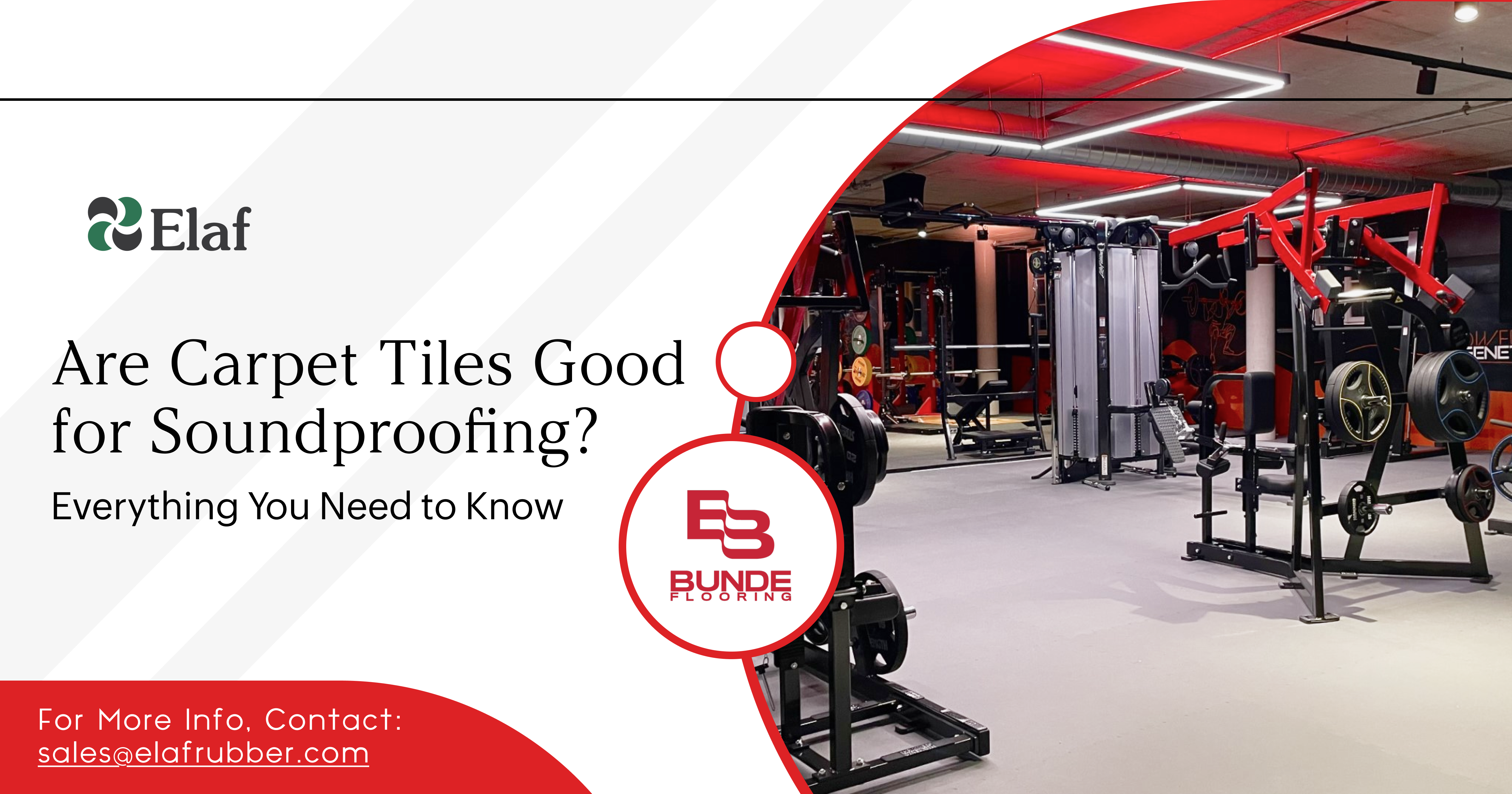
Carpet tiles do reduce noise. That part is true. The question worth asking before you buy them is whether they reduce the right kind of noise, and whether they are the right material for the environment you are putting them in.
This article gives you a straight answer on what carpet tiles actually do acoustically, where they work well, and where they fall short, particularly in commercial settings across the UAE where hygiene, heat and heavy use change the calculation. By the end, you will know whether carpet tiles are the right answer for your space, or whether a different flooring material will do the job better and last longer.
What Carpet Tiles Actually Do to Sound
To answer the question properly, it helps to understand the difference between the two types of noise problem people are usually trying to solve.
Airborne sound is noise that travels through the air; voices, music, a television in the next room. Impact sound is noise that travels through the structure of the building; footsteps, dropped objects, equipment vibration.
Carpet tiles are reasonably effective at absorbing airborne sound. The fibres trap and dampen sound waves rather than reflecting them, which reduces echo and reverberation within a room. In an open-plan office or a meeting room, this makes a noticeable difference to how the space feels acoustically.
What carpet tiles do not do well is block impact sound. The foam or rubber backing on most carpet tiles is too thin and too compressed to meaningfully absorb the kind of impact that travels through a floor into the space below.
Where Carpet Tiles Work
Carpet tiles are a reasonable choice for noise reduction in specific environments:
• Open-plan offices where the main problem is echo and voice carry across a large floor plate
• Meeting rooms and breakout areas where acoustic comfort matters and foot traffic is moderate
• Retail and hospitality spaces where aesthetics are important and cleaning demands are low to moderate
In these settings, carpet tiles from a reputable carpet tile supplier in the UAE can provide good value and a decent acoustic outcome.
Where Carpet Tiles Fall Short in the UAE
For a significant portion of UAE commercial environments, carpet tiles are the wrong material, regardless of their acoustic properties.
Hygiene in High-Traffic Spaces
Carpet fibres retain dust, bacteria, sweat and moisture. In a UAE climate where air conditioning runs constantly and spaces are heavily used, carpet becomes a hygiene liability within months. Gyms, schools, sports facilities and healthcare environments cannot maintain the hygiene standards they need with a carpeted floor.
A floor that absorbs sound but cannot be properly cleaned is not a long-term solution for most commercial spaces in this region.
Durability Under Heavy Use
Commercial carpet tiles, even quality ones, compress under sustained heavy use and lose both their acoustic performance and their appearance. In a gym, a school corridor, or a high-footfall commercial facility, this happens faster than most buyers expect.
Heat and UAE Climate Conditions
Carpet tiles with adhesive backing can lift, separate and off-gas in the sustained heat of a UAE facility. Products not specifically rated for this climate will show deterioration well before their stated lifespan.
What Performs Better for Noise Reduction in UAE Commercial Spaces
For environments where hygiene, durability and acoustic performance all matter, rubber flooring is consistently the stronger choice.
Rubber has natural acoustic properties that address both airborne and impact sound. A properly specified rubber floor, with the right thickness and bottom profile for the application, absorbs impact at the source, reducing the noise and vibration that transfers through the building structure.
This matters in practical terms for gyms, where dropped weights send vibration through the floor. It matters in schools, where corridor noise and chair scraping on hard floors is a constant complaint. And it matters in studios and multi-use training facilities, where the floor needs to perform acoustically across different types of activity.
The Bunde Flooring range, available through Elaf Rubber in the UAE, includes surfaces with documented acoustic isolation properties. The Marbled Troter finish combines a refined aesthetic with the acoustic and impact-absorbing performance that commercial environments need, without the hygiene compromise that comes with carpet.
The Honest Answer
Carpet tiles are good for soundproofing in the right context. If you are managing echo in an office or softening acoustics in a meeting room with moderate foot traffic, they are a reasonable option and worth exploring with a carpet tile supplier in the UAE.
If you are dealing with impact noise, heavy use, hygiene requirements, or UAE climate conditions, rubber flooring will outperform carpet on every measure that matters over the life of the floor.
The question is not which material sounds better on paper. It is which material solves your specific noise problem without creating a different one.
Conclusion
Noise reduction flooring in the UAE is not a one-size-fits-all decision. Carpet tiles have their place, but for most commercial settings in this region, the combination of heat, hygiene demands and heavy use pushes the decision toward rubber.
If you are not sure which is right for your space, the answer usually becomes clear once you map the type of noise you are dealing with and the conditions the floor has to survive.
Get in touch with the Elaf Rubber team to discuss your space. Whether it is a gym, school, studio or commercial facility, we will help you identify the right noise reduction flooring for your environment and your budget.
FAQ's
1. Are carpet tiles effective for soundproofing in UAE offices and commercial spaces?
Carpet tiles are effective at reducing airborne sound, such as echo and voice reverberation, which makes them a reasonable choice for offices and meeting rooms in Dubai and across the UAE. However, they do not perform well against impact sound, and in high-traffic UAE commercial environments, the hygiene and durability limitations often outweigh the acoustic benefit within the first year or two of use.
2. What is the best noise reduction flooring for gyms and schools in the UAE?
For gyms, schools and sports facilities across Dubai, Abu Dhabi and the wider UAE, rubber flooring consistently outperforms carpet for noise reduction. Rubber addresses impact sound at the source, is non-porous and easy to clean in high-humidity Gulf conditions, and holds its acoustic performance under heavy daily use. Bunde Flooring's range, including the Marbled Troter surface, is engineered specifically for demanding commercial environments.
3. Can rubber flooring replace carpet tiles for soundproofing in UAE commercial projects?
In most UAE commercial settings, yes. Rubber flooring provides superior impact sound absorption compared to carpet tiles, withstands the heat and humidity of Gulf climates without lifting or degrading, and meets the hygiene standards required in facilities across Dubai and Abu Dhabi. For spaces that need both acoustic performance and a refined finish, products like the Bunde Marbled Troter offer a premium look without the maintenance problems that come with carpet.